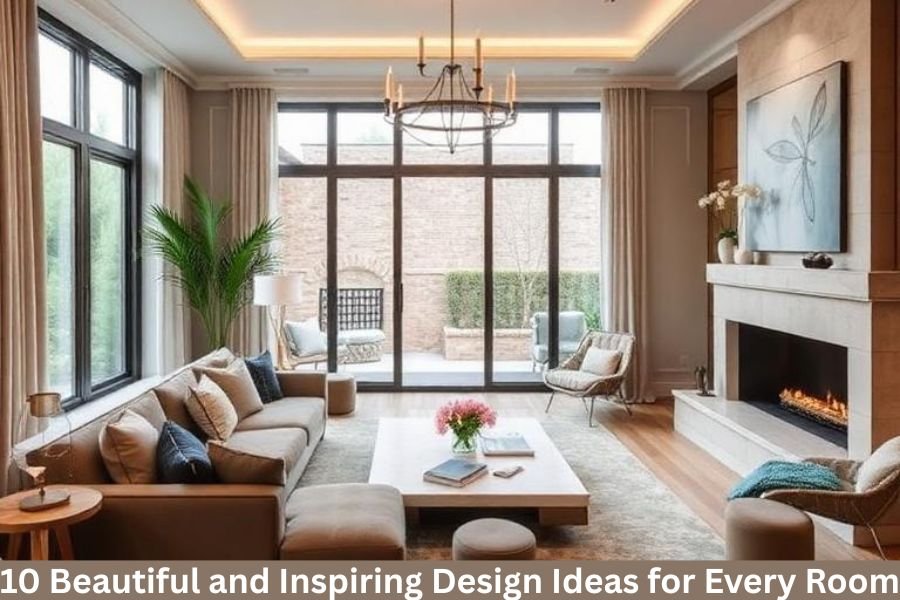
A room should be beyond just a place for sleeping; it should be a representation of you. Designing should not just be for a new home purchase. Room design does not just enhance aesthetics. It can also enhance the functionality of a room.
Room design goes beyond just a color scheme or an organization strategy. This post will provide tips to help you design a room that will be practical and comfortable for you.
Why Design a Room
Room design can affect your lifestyle and how you use the space. It can be an improvement to comfort and help productivity. A well-designed space can even boost the value of your home. The best designs differentiate themselves by balancing trends and personal style.
Every room has a purpose and can serve a need. A living space, working space, or entertaining space all need design consideration.
Start With a Purpose
Before you design, know why you need the space. The needs of the space dictate furniture and colors.
- Is it a place for relaxation?
- Will it be a place to work or study?
- Do you need space for guests?
- Is it a space to entertain?
All of these things can influence how a room is designed.
Color Tells a Mood
Every space can feel and function differently based on the color scheme.
Neutral Color Schemes
Neutral color schemes provide a timeless backdrop and can be paired with a color palette that changes with the season.
Warm Colors
Adding earthy tones such as terracotta and olive green with warm brown highlights makes a room feel cozy and welcoming.
Cool Colors
Rooms and spaces where calmness is desired, such as bedrooms and reading rooms, can benefit from the addition of soothing colors such as blue, sage green, and lavender.
Use of Bold Accent Colors
Deep colors, such as navy, emerald green, mustard yellow, and charcoal, can serve as great accent colors when used sparingly throughout the room.
Functional Furniture
Functional and beautiful furnishings can be achieved with the right selection, such as:
- Storage beds
- Expandable dining tables
- Modular seating
- Wall desking systems
- Storage ottomans
- Floating shelves
Choose furnishings that fit the space rather than crowd the space.
Maximize Natural Light
Natural light makes a room feel larger and more inviting, while also making a room feel fresher and cleaner.
Incorporate natural light by:
- Installing sheer curtains
- Placing a mirror across from the window
- Keeping the walls light colored
- Choosing furnishings that leave the window exposed
- Adding glass decor
Layer Your Lighting
A single ceiling light is not adequate for lighting a room.
Lighting a room can be achieved by:
- Ambient Lighting – overall room lighting such as a ceiling fixture
- Task Lighting – lighting for specific tasks such as a reading lamp
- Accent Lighting – lighting that highlights features, such as LED lights
Add Texture for Depth
A room can look flat without some texture. To add some texture that won’t clutter, consider mixing in some of the following:
- Linen
- Velvet
- Wood
- Woven basket
- Wool
- Natural Stone
- Leather
When mixed, these can be rich with texture and layered, without looking cluttered.
Here’s how to create a focal point in your design.
Choose a Room Focal Point
A room’s design should include a focal point. This feature should be the most attention-grabbing part of the design.
Focal points can be:
- A bed
- A fireplace
- An accent wall
- Art
- Entertainment units
- Statement lighting
Create a layout that facilitates the focal point.
Smart Storage
A beautiful design can be undermined by clutter.
Keep a space tidy with storage designs like:
- Built-in storage with cabinetry
- Floating shelving
- Storage benches
- Shelves
- Baskets
- Tubs
Good storage keeps a room tidy.
Bring the Outdoors Inside
There’s no substitute for the satisfaction that an indoor plant brings.
Try:
- Snake Plants
- Pothos
- Peace Lilies
- ZZ Plants
- Rubber Plants
- Monstera
Decorate your room interior with lush, vibrant plants that soften the space, add color, and help purify the air.
Customize Your Space
Room design can be a representation of self with a personalized space.
Use:
- Pictures
- Travel memorabilia
- Art
- Books
- Candles
- Collections
Show your personality and experiences rather than a showroom.
Room Design by Space
Living Room
Prioritize comfort and conversation.
Try the following:
- Neutral sofas with colorful cushions
- Large area rugs
- Statement coffee tables
- Layered lighting
- Built-in shelving
Bedroom
Prioritize rest.
Design with:
- Upholstered headboards
- Soft bedding
- Blackout curtains
- Bedside lamps
- Minimal décor
Home Office
Focus on productivity. Include an:
- Ergonomic chair
- Adjustable desk
- Good task lighting
- Organized storage
Design with noise-reducing textiles.
Guest Room
Design for comfort and welcoming.
Most of us want our rooms to feel comfortable and inviting. Here are some things to plan or spend money on to reach your goal!
- A comfortable mattress
- Extra Blankets
- A bedside charging station
- A small reading lamp
- Space for luggage or other storage items
Here are some room design styles to consider
Modern
A style that highlights simple, clean, and functional furniture design.
Scandinavian
A style that focuses on bright, minimal designs, but also brings in warmth.
Industrial
A style that has a dark color, but also has a vintage touch. It is perfect for urban homes.
Bohemian
A style that uses all of the earth tones, but also adds in a mix of patterns and textiles. It has an emphasis on handmade decor.
Farmhouse
A nostalgic, rustic style that focuses on wood and comfortable vintage pieces and decor.
Common room design mistakes
It is important to consider things when designing your room to avoid some of these mistakes!
- Furniture that is out of scale or too large for the space
- Having too wide a color palette
- Poor lighting design or not enough lighting
- Artwork that is hung too high or finishes that are too high
- Ignored shelving decor
You can even make a design choice that adds space or storage to your room for a better overall look!
DIY Room Design Ideas
You can plan and design your dream room quickly and for a low budget. Some things to consider are…
- Carpet or wall color refresh
- New pillows, curtains, or room dividers
- Removable wallpaper or customizable shelving
- Indoor plants, new lighting to refresh the room, or new lighting fixtures
All of these ideas for your room are low-cost but high impact!
Trends That Continue to Shine
Here are some current trends to redesign a room:
- Light, warm, neutrals
- Sustainable materials
- Curved furniture
- Smart home lighting
- Statement lighting
- Minimal yet cozy
- Mixed textures
Instead of chasing trends, find features that enhance your living and will keep you happy long-term.
Final Thoughts
Room designs can be special without being stuffed full of trendy or expensive items. It can serve your daily living by incorporating features that are important or special to you, and give it comfort and functionality. With a focus on a well-thought-out layout, color balance, quality lighting, smart storage, and decorative elements that are special to you, any room can provide comfort.
The best designs evolve. Add pieces you love. Layouts that serve a purpose and details that reflect you are a must.