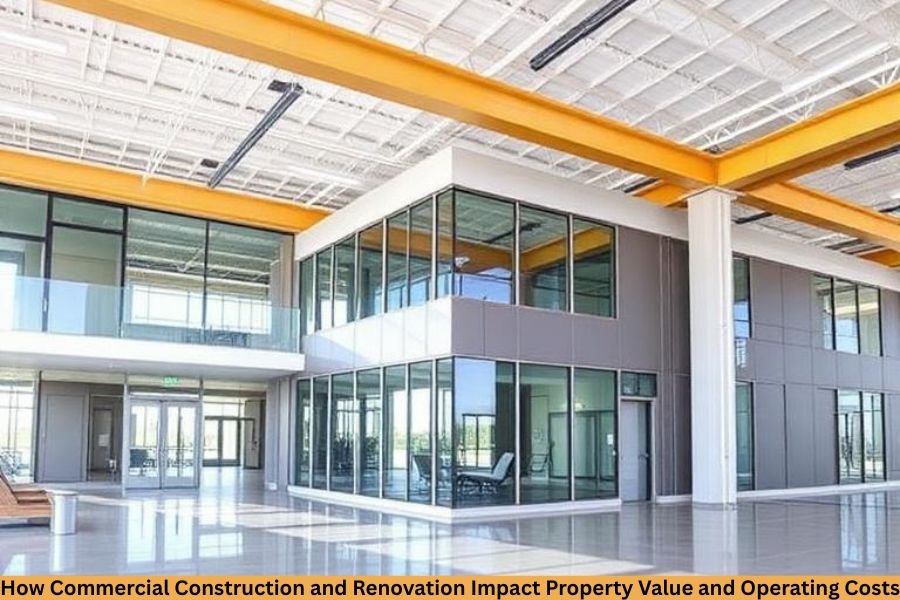
Buildings are more than structures—they are business assets. Construction and renovations help improve the business and financial performance of office buildings, retail, warehouses, restaurants, healthcare, and industrial buildings. Construction and renovations improve functionality and reduce operating costs.
Some old commercial spaces may not comply with new standards for safety and accessibility. Current standards of safety and accessibility also incorporate new technologies and sustainability. These are some of the things a renovation will help an existing space achieve. If a new space is built, it can be designed with the new standards in mind for the future.
There are many things to understand about commercial construction and renovation. This includes the benefits, steps to the project, budgeting tips, and current trends. We will also discuss the best ways to find the right contractor.
What Is Commercial Construction?
Commercial construction is the creation, design, or expansion of structures meant for business use instead of residential use. Examples of commercial construction are:
- Office buildings
- Retail shopping centers
- Restaurants
- Hotels
- Medical clinics
- Warehouses
- Manufacturing facilities
- Educational buildings
- Government facilities
- Mixed-use developments
Unlike residential projects, commercial construction typically involves a larger and more complex budget, specialized engineering, and more complex project management.
What Is Commercial Renovation?
Commercial renovation is the improvement of an existing commercial structure without building a new structure.
Some examples of renovations are:
- Interior remodeling
- Upgrading structure
- Replacing roofs
- Modernizing HVAC
- Upgrading wiring and plumbing
- Improving lighting to be energy efficient
- Improving ADA accessibility
- Reconfiguring offices
- Upgrading exterior facades
Businesses remodel to improve employee productivity or client experience; remodeling may also be done to reduce costs or to comply with building standards and regulations.
Why Businesses Are Choosing Commercial Construction and Renovation
A commercial property should aid the business, not help it. There are many benefits to adding to or renovating a commercial property.
Adding Value
There are many benefits to the higher price on the market for modern commercial buildings. Buyers want buildings with less repairs. Investors really like updated buildings.
More modern designs, efficient systems, and appealing buildings are easier to sell.
Lower Costs
Older buildings waste resources because they have older, inefficient systems.
Renovating a building helps add:
- LED lighting
- Smart Thermostats
- High-efficiency HVAC systems
- Better Insulation
- Energy-efficient Windows
Adding any of these systems helps reduce routine costs spent on utility services.
Greater Employee Productivity
Better environments help your employees work better. A building that is comfortable is also organized and well-lit.
Some helpful features are:
- Open workspaces
- Improved Ventilation
- Natural Lighting
- Modern Meeting Rooms
- Noise Reduction
These have a positive effect on productivity as well as satisfaction.
Better Customer Experience
Modern renovations help with first impressions with customers.
Some things a renovation helps with are:
- Navigation
- Attractive Interiors
- Comfortable Waiting Areas
- Better Accessibility
- Improved Branding
These all help bring customers back.
Renovation also helps with Code Compliance
There are many different codes and requirements for commercial buildings. Renovation often helps with standards on:
- Fire Safety
- Emergency Exits
- Accessibility
- Structural Integrity
Renovating helps avoid fines and liability.
Examples of Commercial Construction
There are many different projects that fall under commercial construction.
Office Buildings
These are designed with the latest technology to help the most efficient workspace.
Retail Stores
These are designed with the customer experience in mind.
Restaurants
Restaurants often have special requirements for their commercial construction and design due to the varying systems and layouts required.
Healthcare Facilities
Much care is given to patient privacy in the design of these spaces while needing design balance to ensure compliance with healthcare laws.
Warehouses
Design spaces that encourage storage efficiency and flow for both inventory and personnel.
Hospitality Projects
Designing hotels and resorts focuses largely on guest convenience and comfort as well as design balances for operational efficiency.
Common Commercial Renovation Projects
Rather than renovating the entire building, business owners choose to renovate select areas of the building.
Some of the most common renovation projects are:
- Offices
- Lobbies
- Meeting rooms
- Restrooms
- Building exteriors
- Parking lots
- Roofs
- HVAC systems
- Security systems
- Elevators
The Commercial Construction Process
5 basic steps need to occur for any project to be completed successfully.
- Planning
The primary steps to planning the most basic requirements for a project include determining the business needs and goals and conducting site evaluations with cost feasibility studies.
- Design
Plans are created and drawn by designers and architects. Considerations during design include operational needs, safety, accessibility, sustainability, and space for future growth.
- Permits and Approvals
Before the start of a project, numerous permits need to be obtained, including building permits, environmental permits, fire department reviews, and zoning permits.
- Construction
The bulk of the work occurs during the construction phase and includes:
- Clearing and excavating the site
- Pouring the foundation
- Building structural frames
- Installing mechanical, electrical, and plumbing systems
- Finishing the interiors
- Final Inspection
Before a space is ready to be occupied, there are numerous codes and laws that need to be met.
Commercial Construction and Renovation Cost Estimates
Controlling costs and avoiding surprises require accurate estimates.
Some of the costs that need to be considered are:
- The size of the property
- Cost of materials and labor
- Engineering fees
- Architects
- Permits
- Site prep
- Costs for the equipment that will be used
- How long the project will take
To help cover surprise costs, a contingency fund should be reserved. The amount reserved is 10% to 20% of the total project cost.
Sustainable Building Practices
A major focus of the construction industry is sustainability.
Green building practices include the use of:
- Solar Panels
- Energy-efficient HVAC Systems
- Recycled Construction Materials
- Low-VOC paints
- Smart Lighting Controls
- Rainwater Harvesting Systems
- Water-Saving Plumbing Fixtures
Sustainable buildings attract environmentally conscious customers and tenants, and can even reduce operating costs.
How Technology is Impacting Commercial Construction
All aspects of how we plan and construct buildings commercially is being impacted by modern technology. Some of the most exciting innovations include:
- Building Information Modeling (BIM): This software allows the planners of a construction project to create a digital version of the building. This dramatically reduces construction errors.
- Drones: These are becoming the industry standard for surveying and inspection of construction sites.
- Modular Construction: This construction technique focuses on the prefabrication of construction components, which drastically reduces construction time while enhancing quality.
Choosing a Commercial Contractor
Selecting a commercial contractor is one of the most important decisions you will have to make. When selecting a contractor, ensure they have:
- Commercial construction experience
- Proper licensing
- Safety certifications
- Positive client testimonials
Ensure they also have strong project management skills, are transparent with their pricing, and most importantly, reliable communication.
Costs should be the least of your concerns. Instead, ensure you are getting the best possible value by requesting multiple bids and comparing the qualifications.
Advanced planning will not eliminate challenges, but it will help you navigate them. Some of the most common challenges include: Material supply shortages, unseasonable weather, structural issues, renovation permits, and, of course, budget overruns.
Advanced planning will even minimize business interruptions.
Helpful Advice for Commercial Construction Projects
You can improve safety compliance and reduce costs and interruptions when you:
- use high-quality materials
- add energy-efficient systems, and
- incorporate safety and code compliance.
Don’t forget to plan the project goals and budget for the unexpected. Finally, be sure to use a contractor that has commercial experience.
- Keep communication open.
- Hold regular check-in meetings.
- Anticipate your business’s growth when designing your spaces.
Current Trends in Commercial Construction and Renovation
Smart and sustainable design continues to influence the evolution of commercial construction and renovation.
Some trends to keep an eye on are:
- Net-zero construction
- Office design flexibility
- Biophilic workplace design
- Touchless and contactless technology
- AI-based project management
- Smart building automation
- Sustainable construction resources
- EV charging stations
Each of these innovations helps attract business tenants in an ever-competitive marketplace.
Conclusion
Commercial construction and renovation are important for optimizing long-term investments. Consider the potential benefits of a commercial building for your business, whether you are creating new construction or doing a renovation.
Value, safety, and an aesthetic environment for employees and customers are all enhanced through creating a design with intention and partnering with the right people.
The right design will embrace sustainability and will be the most cost-effective to create a commercial space that your business will grow into. As the expectations of the design of commercial spaces and the expectations of the employees continue to evolve, the best way to protect your investment is to partner with the best people to create new, innovative construction that will transform your space.