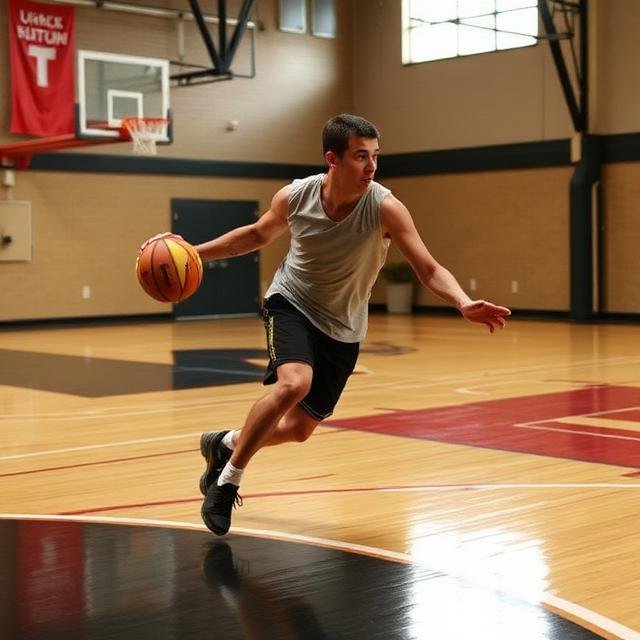
Dribbling is one of the most essential skills in basketball. It allows players to move with the ball, create scoring opportunities, and control the pace of the game. For beginners, learning how to dribble properly is the first step toward becoming a confident and effective player.
In this guide, you’ll learn the best dribbling drills for basketball beginners, along with simple techniques, structured training tips, and answers to common questions that will help you improve quickly.
Why Dribbling is Important in Basketball
Dribbling is more than just bouncing the ball—it’s about control, coordination, and confidence.
Benefits of good dribbling:
- Improves ball control
- Helps you move past defenders
- Builds coordination and agility
- Boosts confidence on the court
Without strong dribbling skills, it’s difficult to progress in basketball.
What’s a good dribbling drill for beginners?
If you’re asking what’s a good dribbling drill for beginners, here are the most effective drills you can practice at home or on the court:
1. Stationary Dribbling Drill
This is the foundation of all dribbling skills.
How to do it:
- Stand in one place
- Dribble the ball with your right hand for 30 seconds
- Switch to your left hand
- Keep your head up
Variations:
- Low dribble (knee level)
- High dribble (waist level)
Benefits:
- Improves control
- Builds confidence
- Strengthens both hands
2. Crossover Dribble Drill
This helps you change direction quickly.
How to do it:
- Dribble from right hand to left hand
- Keep the ball low
- Move it quickly across your body
Benefits:
- Improves agility
- Helps in game situations
3. Figure-8 Dribble
A great coordination drill.
How to do it:
- Spread your legs slightly
- Move the ball in a figure-8 pattern around your legs
- Use both hands
Benefits:
- Enhances coordination
- Improves ball control in tight spaces
4. Walking Dribble Drill
Once you’re comfortable standing, start moving.
How to do it:
- Walk forward while dribbling
- Keep your head up
- Alternate hands
Benefits:
- Builds real-game confidence
- Improves movement control
5. Cone (or Object) Dribbling Drill
You can use bottles or shoes as cones.
How to do it:
- Place objects in a line
- Dribble through them
- Change direction as you move
Benefits:
- Improves speed and agility
- Enhances control under movement
How to teach a beginner how to dribble a basketball?
If you want to know how to teach a beginner how to dribble a basketball, the key is to keep it simple, structured, and encouraging.
1. Teach Basic Technique First
Explain:
- Use fingertips, not the palm
- Keep the ball low
- Bend knees slightly
- Keep head up
2. Start with One Hand
Let beginners focus on one hand at a time before switching.
3. Encourage Looking Forward
Beginners tend to look at the ball.
Train them to:
- Keep eyes forward
- Feel the ball instead of watching it
4. Practice Repetition
Repetition builds muscle memory.
- 30–60 seconds per drill
- Repeat daily
5. Give Positive Feedback
Encourage small improvements:
- Better control
- Less bouncing errors
Confidence is key for beginners.
6. Make It Fun
Turn drills into games:
- Time challenges
- Dribble races
- Obstacle courses
Fun keeps beginners engaged.
What are the 4 types of dribbles?
To improve skills, beginners should understand the 4 types of dribbles in basketball:
1. Control Dribble
Used when there is no defensive pressure.
- Slow and controlled
- Keeps possession safe
2. Speed Dribble
Used during fast breaks.
- Ball pushed ahead
- Faster movement
3. Crossover Dribble
Used to change direction quickly.
- Moves ball from one hand to another
- Helps beat defenders
4. Power Dribble
Used in tight defense situations.
- Strong and protected
- Body shields the ball
Mastering these dribbles improves overall gameplay.
What are the 5 D’s of basketball?
The 5 D’s of basketball represent essential qualities every player should develop:
1. Discipline
Practicing regularly and staying focused.
2. Determination
The drive to improve and succeed.
3. Defense
Stopping opponents and protecting the ball.
4. Decision-Making
Choosing the right moves during the game.
5. Dedication
Putting in consistent effort over time.
These qualities help beginners grow into skilled players.
Daily Dribbling Routine for Beginners
Here’s a simple 20–30 minute routine:
Warm-Up (5 Minutes)
- Light jogging
- Stretching
- Arm movements
Dribbling Practice (15–20 Minutes)
- Stationary dribble (both hands)
- Crossover drill
- Figure-8 drill
- Walking dribble
Movement Drill (5 Minutes)
- Cone dribbling
- Speed dribble practice
Cool Down (5 Minutes)
- Stretching
- Relaxation
Common Mistakes Beginners Should Avoid
Avoid these to improve faster:
- Dribbling with the palm instead of fingertips
- Looking down at the ball
- Standing straight (instead of bending knees)
- Practicing only with one hand
- Rushing drills without control
Additional Tips to Improve Dribbling Fast
Practice Daily
Consistency is more important than long sessions.
Use Both Hands
Develop equal control for better gameplay.
Stay Focused
Practice with attention, not distraction.
Learn by Watching
Observe skilled players and copy their techniques.
Build Strength
Stronger hands and wrists improve control.
Final Thoughts
Dribbling is the foundation of basketball, and mastering it as a beginner sets you up for success in every other skill. With the right drills and consistent practice, anyone can improve their dribbling quickly.
To summarize:
- Start with basic stationary dribbling
- Practice crossover and movement drills
- Learn the 4 types of dribbles
- Follow the 5 D’s for growth
- Stay consistent and patient
Improvement takes time, but with daily effort, you’ll notice big changes in your confidence and control.