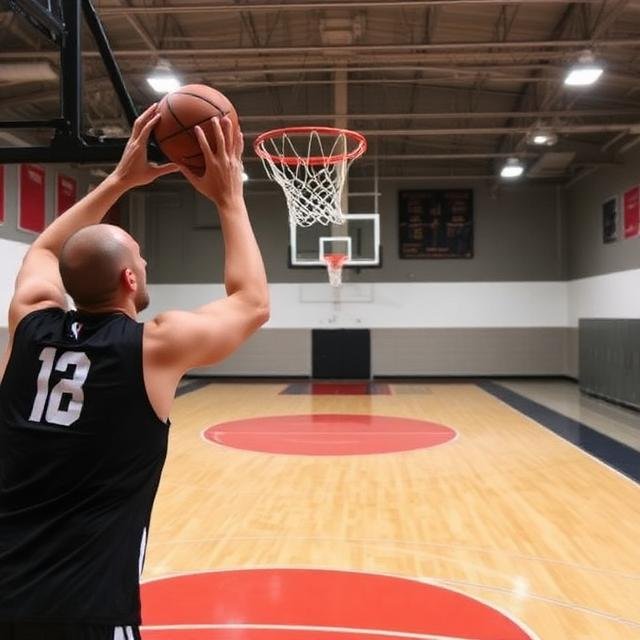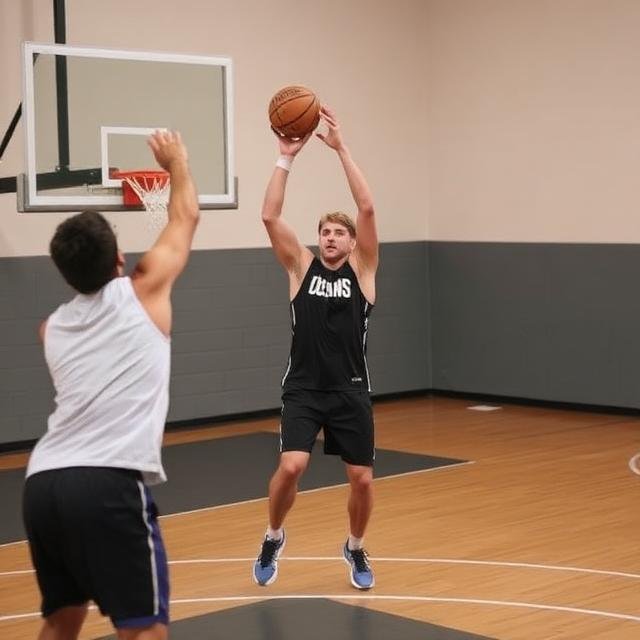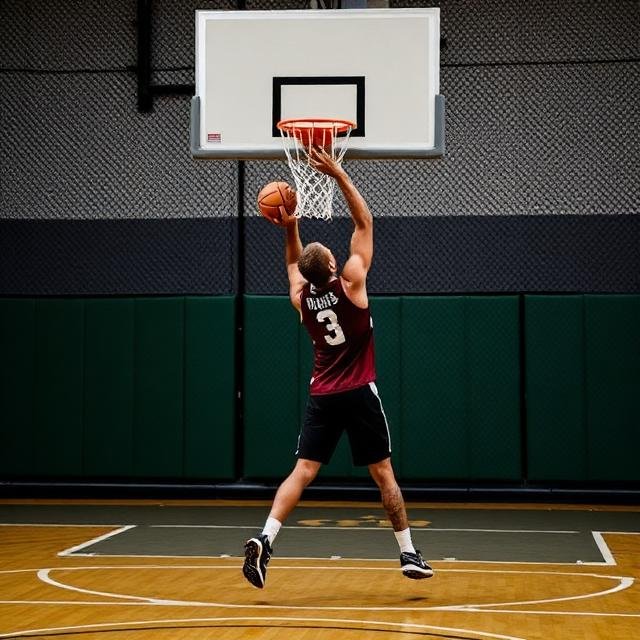
Consistency is the secret behind every great basketball player. Talent matters, but daily training is what transforms average players into skilled athletes. A well-structured practice routine helps you improve faster, avoid bad habits, and develop both physical and mental strength for real-game performance.
This guide breaks down a complete basketball practice routine for daily training, along with answers to important questions about workouts, dribbling, skill development, and game strategy.
What is a Good Workout Routine for Basketball Players?
A good basketball workout routine is not just about lifting weights or running—it is a balanced combination of skills, conditioning, and recovery.
Ideal daily structure:
A strong routine should include:
- Warm-up and mobility
- Skill training (dribbling, shooting, passing)
- Strength and conditioning
- Game IQ development
- Cooldown and recovery
Sample Daily Basketball Workout Routine
1. Warm-Up (10–15 minutes)
- Jump rope
- Light jogging
- Dynamic stretching
Purpose: Prevent injuries and activate muscles
2. Skill Training (40–60 minutes)
Focus on core basketball fundamentals:
- Dribbling drills
- Shooting practice
- Passing drills
- Defensive slides
3. Strength & Conditioning (20–30 minutes)
- Squats
- Lunges
- Push-ups
- Core exercises
Purpose: Improve explosiveness and endurance
4. Game IQ Training (10–15 minutes)
- Watch game film
- Study plays
- Analyze positioning
5. Cooldown (10 minutes)
- Stretching
- Breathing exercises
Final Answer:
A good basketball workout routine combines skills, strength training, conditioning, and recovery every day.
What Are the 7 Basic Skills in Basketball?
To become a complete player, you must master the fundamentals of basketball. These are the 7 essential skills every player needs:
1. Dribbling
Controlling the ball while moving under pressure.
2. Shooting
Scoring points through layups, jump shots, and free throws.
3. Passing
Moving the ball efficiently to teammates.
4. Defense
Stopping opponents from scoring.
5. Rebounding
Collecting missed shots.
6. Basketball IQ
Understanding plays and making smart decisions.
7. Movement Without the Ball
Creating space and opportunities.
Key takeaway: A strong daily routine must train all seven skills, not just shooting or dribbling.
What is the 80/20 Rule in Basketball?
The 80/20 rule (Pareto Principle) in basketball means:
80% of your results come from 20% of your actions.
How it applies to basketball training:
Focus on the most important skills:
- Shooting
- Ball handling
- Decision-making
Train smarter, not longer:
Instead of practicing everything equally, focus on:
- Game-realistic drills
- High-impact skills
Example:
If you improve shooting and dribbling, you will see more improvement than spending equal time on minor skills.
Final Answer:
The 80/20 rule in basketball means focusing on the few most important skills that produce the biggest improvement.
What Are the 4 Types of Dribbles?
Dribbling is one of the most important skills in basketball. There are four main types of dribbles every player should learn:
1. Control Dribble
- Used when closely guarded
- Low and slow
- Protects the ball
2. Speed Dribble
- Used in fast breaks
- Ball pushed forward
- High speed movement
3. Crossover Dribble
- Switching ball between hands
- Used to beat defenders
4. Behind-the-Back Dribble
- Advanced move
- Protects ball from defenders
Final Answer:
The 4 types of dribbles are control, speed, crossover, and behind-the-back dribbles.
Complete Basketball Practice Routine for Daily Training
Now let’s build a structured daily routine that combines everything into one effective training plan.
STEP 1: Warm-Up (15 Minutes)
- Jump rope (3–5 minutes)
- High knees
- Arm circles
- Dynamic stretching
Goal: Prepare body for movement
STEP 2: Ball Handling & Dribbling (20–30 Minutes)
Drills:
- Stationary dribbling
- Crossover drills
- Cone dribbling
- Speed dribble drills
Focus:
- Control
- Speed
- Balance
STEP 3: Shooting Practice (30–45 Minutes)
Drills:
- Form shooting close to basket
- Spot shooting
- Catch-and-shoot
- Free throws
Goal:
Build consistency and accuracy
STEP 4: Passing Drills (15–20 Minutes)
- Wall passing
- Partner passing
- Moving target passing
Focus:
- Accuracy
- Timing
- Vision
STEP 5: Defense Training (15–20 Minutes)
- Defensive slides
- Close-out drills
- Reaction drills
Goal:
Improve footwork and reaction time
STEP 6: Strength & Conditioning (20–30 Minutes)
- Squats
- Push-ups
- Lunges
- Core exercises
Builds power and endurance
STEP 7: Game IQ Training (10–15 Minutes)
- Watch professional highlights
- Study plays
- Learn positioning
STEP 8: Cool Down (10 Minutes)
- Stretching
- Deep breathing
Weekly Training Structure
| Day | Focus |
|---|---|
| Monday | Shooting + Dribbling |
| Tuesday | Defense + Conditioning |
| Wednesday | Full skill training |
| Thursday | Strength + Shooting |
| Friday | Game simulation |
| Saturday | Skills + scrimmage |
| Sunday | Recovery + light practice |
Common Mistakes in Daily Training
Skipping warm-up
Leads to injuries.
Practicing without focus
Reduces improvement speed.
Ignoring weak skills
Creates imbalance in performance.
Overtraining without recovery
Causes burnout.
Pro Tips for Faster Improvement
Players like:
- LeBron James
- Kobe Bryant
follow key habits:
- Train daily with purpose
- Focus on fundamentals
- Repeat game-speed drills
- Maintain discipline and recovery
Final Thoughts
A strong basketball practice routine is not about training harder—it’s about training smarter. By combining skills, strength, conditioning, and mental training, you can improve rapidly and become a more complete player.
Quick Recap:
- Good workout routine = skills + strength + conditioning
- 7 basic skills must be trained daily
- 80/20 rule focuses on high-impact training
- 4 dribbles build ball-handling control
- Consistency is the key to success
With the right daily routine, every practice session brings you closer to becoming a better, more confident basketball player.