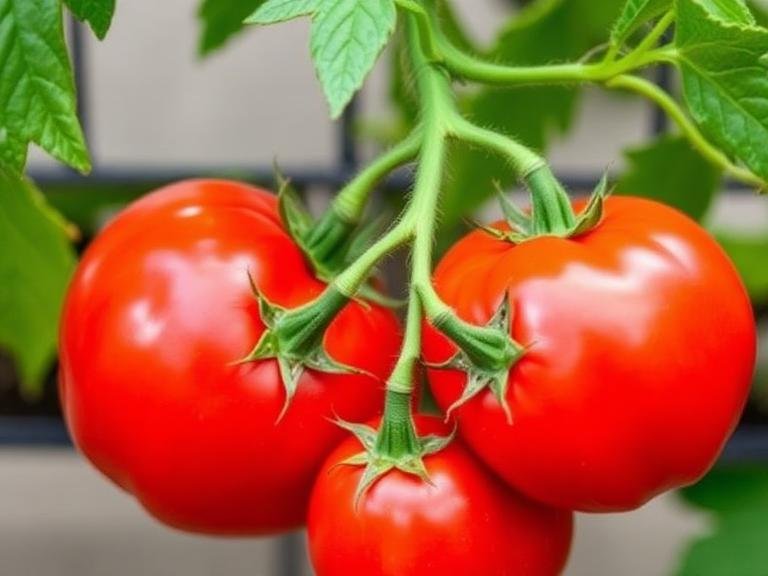
If you’ve ever thought about starting a home garden, tomatoes are one of the easiest and most rewarding crops to grow. They’re incredibly versatile, used in everything from salads to sauces, and they don’t demand expert-level gardening skills. Even if you’re just getting started, tomato plants are forgiving and adaptable, making them ideal for beginners.
Think of tomatoes as the “starter pack” of gardening. They grow quickly, show visible progress, and provide delicious results that you can actually enjoy on your plate. Whether you have a backyard, balcony, or even a sunny window, tomatoes can thrive almost anywhere with proper care.
Benefits of Growing Your Own Tomatoes
Growing tomatoes at home offers more than just fresh produce. First, you gain control over what goes into your food—no harmful pesticides or chemicals unless you choose to use them. Second, homegrown tomatoes are significantly more flavorful than store-bought ones, which are often harvested early and artificially ripened.
Another major benefit is cost savings. Once you understand the basics, you can produce a steady supply of tomatoes throughout the season. Plus, gardening itself is therapeutic—it reduces stress, improves focus, and connects you with nature in a meaningful way.
What Is the Best Way to Grow Tomatoes?
Choosing the Right Location
The best way to grow tomatoes starts with selecting the perfect location. Tomatoes love sunlight—at least 6 to 8 hours of direct sunlight daily. Without enough sun, your plants may grow weak and produce fewer fruits.
If you’re planting outdoors, choose a spot that’s well-drained and protected from strong winds. For indoor or balcony gardening, place your pots near a south-facing window where sunlight is abundant.
Soil Preparation and Nutrients
Tomatoes thrive in nutrient-rich, well-draining soil. Ideally, the soil should be slightly acidic, with a pH between 6.0 and 6.8. Before planting, mix compost or organic matter into the soil to boost fertility.
Good soil acts like a strong foundation for your plant. Without it, even the best seeds won’t perform well. Adding natural fertilizers like compost, bone meal, or vermicompost ensures your tomatoes get essential nutrients like nitrogen, phosphorus, and potassium.
How Can We Grow Tomatoes at Home?
Growing Tomatoes in Pots vs Ground
You don’t need a big garden to grow tomatoes. In fact, many people successfully grow them in pots or containers. If space is limited, container gardening is your best option. Use pots that are at least 12–18 inches deep to allow proper root development.
On the other hand, growing tomatoes directly in the ground can yield larger harvests because roots have more space to spread. The choice ultimately depends on your available space and convenience.
Step-by-Step Planting Guide
Here’s a simple step-by-step method to get started:
- Choose high-quality seeds or seedlings
- Prepare nutrient-rich soil
- Plant seeds about ¼ inch deep
- Water gently but consistently
- Place in a sunny location
- Transplant seedlings when they grow 4–6 inches tall
Consistency is key here. Tomatoes don’t need constant attention, but they do need regular care. Think of it like maintaining a daily habit—small efforts lead to big results.
Types of Tomatoes and Their Uses
Determinate vs Indeterminate Tomatoes
Tomatoes come in two main types: determinate and indeterminate. Determinate tomatoes grow to a fixed size and produce fruit all at once, making them ideal for sauces and bulk harvesting. Indeterminate tomatoes, on the other hand, continue growing and producing fruit throughout the season.
If you want a continuous supply of fresh tomatoes, indeterminate varieties are your best bet. But if you prefer a one-time harvest for cooking or preserving, go for determinate types.
Which Tomatoes Are Best for Acid Reflux?
If you’re concerned about acidity, not all tomatoes are created equal. Some varieties are less acidic and gentler on the stomach. Cherry tomatoes, yellow tomatoes, and heirloom varieties tend to have lower acidity levels.
These varieties are ideal for people who experience acid reflux but still want to enjoy tomatoes. Choosing the right type can make a big difference in how your body reacts.
Watering and Sunlight Requirements
How Much Water Do Tomatoes Need?
Tomatoes require consistent watering, but overwatering can be just as harmful as underwatering. Typically, they need about 1–2 inches of water per week. The key is to keep the soil moist but not soggy.
A good rule of thumb is to water deeply but less frequently. This encourages roots to grow deeper, making the plant stronger and more resilient.
Ideal Sunlight Conditions
Sunlight is the fuel that powers tomato growth. Without enough light, plants become weak and produce fewer fruits. Ensure your plants receive at least 6–8 hours of direct sunlight daily.
If you’re growing indoors, consider using grow lights to supplement natural light. Think of sunlight as the engine—without it, nothing runs efficiently.
What Is the Most Powerful Fertilizer for Tomatoes?
Organic vs Chemical Fertilizers
When it comes to fertilizers, you have two main options: organic and chemical. Organic fertilizers like compost, manure, and fish emulsion are natural and improve soil health over time. Chemical fertilizers provide quick nutrients but may harm the soil in the long run if overused.
Most home gardeners prefer organic options because they are safer and more sustainable.
Best Nutrients for Tomato Growth
Tomatoes need a balanced mix of nutrients:
- Nitrogen for leafy growth
- Phosphorus for root and flower development
- Potassium for fruit quality
The most powerful fertilizer is one that provides all three in balanced proportions. Adding calcium can also prevent common issues like blossom end rot.
Tomato Plant Care Tips
Pruning and Staking Techniques
Pruning helps improve air circulation and allows the plant to focus energy on fruit production. Remove excess leaves and suckers regularly to keep the plant healthy.
Staking or using cages is equally important. Tomato plants can become heavy as they grow, and support prevents them from bending or breaking.
Common Diseases and Pest Control
Tomatoes are prone to pests like aphids, whiteflies, and caterpillars. Diseases such as blight and fungal infections can also affect them. Regular inspection is key to early detection.
Use natural remedies like neem oil or insecticidal soap to control pests. Keeping the area clean and well-ventilated reduces the risk of diseases.
How Long Do Tomatoes Take to Grow?
Growth Timeline Explained
One of the most common questions is: How long do tomatoes take to grow? Typically, tomatoes take between 60 to 100 days from planting to harvest, depending on the variety.
The process includes germination, seedling growth, flowering, and fruiting stages. Each stage requires proper care and patience.
Signs Your Tomatoes Are Ready to Harvest
Ripe tomatoes are firm, fully colored, and slightly soft to the touch. Avoid picking them too early unless necessary. Letting them ripen on the vine enhances flavor and nutrition.
Harvesting and Storage Tips
When and How to Harvest
Harvest tomatoes when they reach full color and size. Use scissors or gently twist them off the vine to avoid damaging the plant.
Regular harvesting encourages more fruit production, so don’t hesitate to pick ripe tomatoes.
Storage and Shelf Life
Store tomatoes at room temperature for the best flavor. Refrigeration can reduce taste and texture. If you have excess tomatoes, consider making sauces, purees, or drying them for long-term use.
Conclusion
Growing tomatoes is more than just a gardening activity—it’s a rewarding experience that brings fresh, flavorful food right to your home. From choosing the right soil to understanding watering and sunlight needs, every step plays a crucial role in your success. By following these simple yet effective tips, you can enjoy a healthy and abundant tomato harvest.
FAQs
1. What is the best way to grow tomatoes?
The best way is to provide full sunlight, nutrient-rich soil, consistent watering, and proper support through staking or cages.
2. How can we grow tomatoes at home?
You can grow them in pots or garden soil by planting seeds, watering regularly, and ensuring adequate sunlight.
3. Which tomatoes are best for acid reflux?
Low-acid varieties like cherry tomatoes, yellow tomatoes, and heirloom types are better for acid reflux.
4. What is the most powerful fertilizer for tomatoes?
A balanced fertilizer rich in nitrogen, phosphorus, and potassium, along with organic compost, works best.
5. How long do tomatoes take to grow?
Tomatoes typically take 60 to 100 days from planting to harvest, depending on the variety.