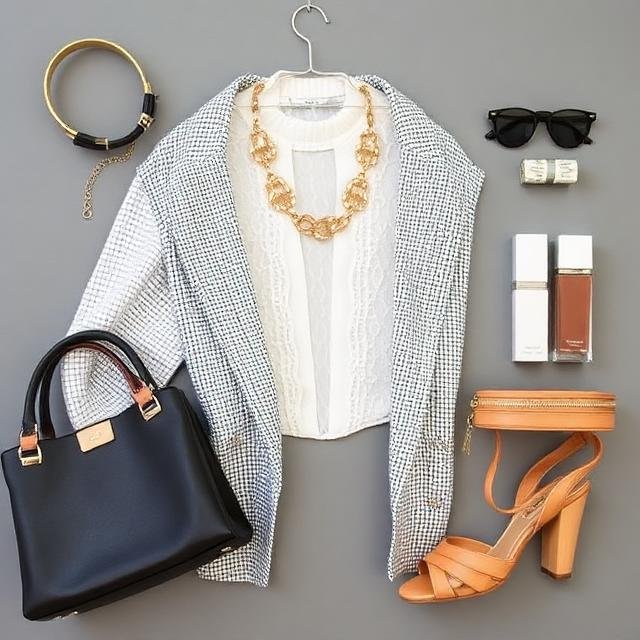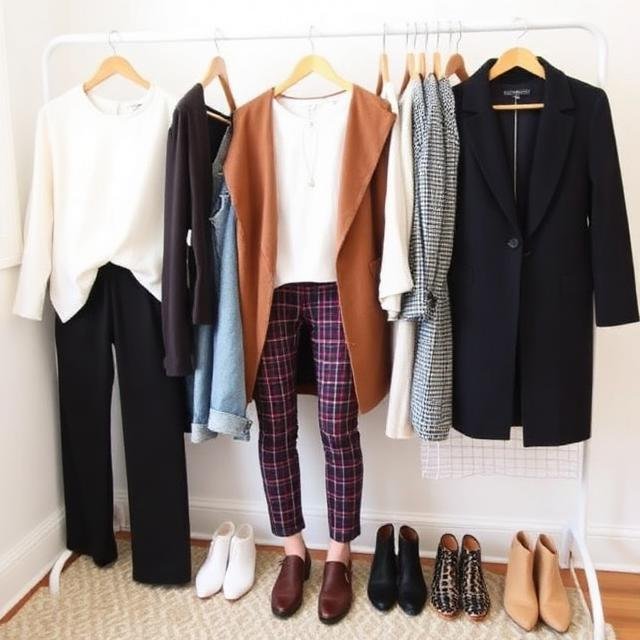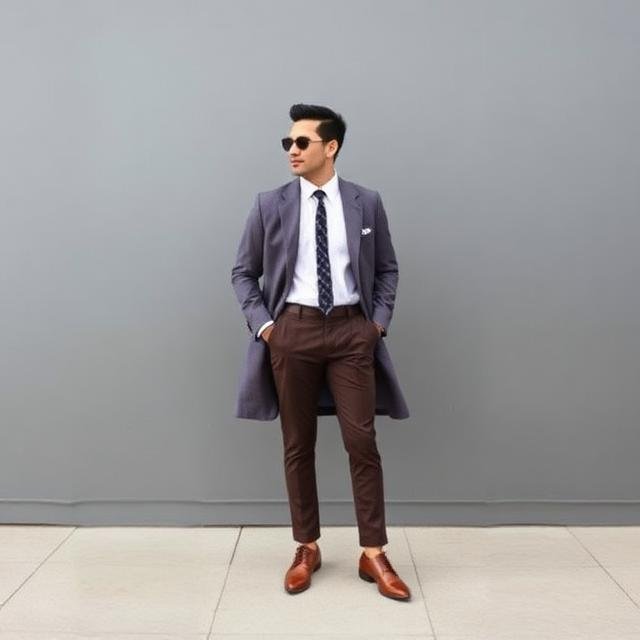
Developing your personal style can feel confusing at first, especially with so many fashion trends, influencers, and opinions around. But here’s the truth—personal style isn’t about copying others; it’s about expressing who you are in a confident and comfortable way.
If you’re just starting out, this guide will help you understand the basics and answer important questions like:
- What is the 3-3-3 rule in fashion?
- How do I develop my own personal style?
- What is the 3-3-3 rule in minimalism?
- What is the 3-3-3 rule for packing?
Let’s break it down step by step.
1. What is Personal Style?
Personal style is the way you choose to present yourself through clothing, accessories, and overall appearance. It reflects:
- Your personality
- Your lifestyle
- Your comfort level
- Your preferences
For beginners, the goal is not perfection—it’s clarity and consistency.
2. How Do I Develop My Own Personal Style?
This is the most important question for beginners. Building your style takes time, but you can follow these simple steps:
Step 1: Understand Your Lifestyle
Before buying clothes, ask yourself:
- Do I need casual, formal, or mixed outfits?
- What do I wear daily? (college, office, home)
Your wardrobe should match your daily routine, not just trends.
Step 2: Find Inspiration (But Don’t Copy)
Look for ideas from:
- Social media
- Celebrities
- Fashion blogs
Save outfits you like and identify patterns:
- Do you prefer neutral colors?
- Do you like fitted or loose clothes?
This helps you discover your preferences.
Step 3: Choose a Color Palette
Beginners should start with a simple color palette:
- Neutral colors: black, white, beige, grey
- Add 1–2 accent colors
This makes mixing and matching easier.
Step 4: Focus on Fit First
No matter how expensive clothes are, if they don’t fit well, they won’t look good.
Key tips:
- Clothes should not be too tight or too loose
- Tailoring can make a huge difference
Step 5: Build a Basic Wardrobe
Start with essentials:
- Plain t-shirts
- Well-fitted jeans
- Neutral trousers
- A good pair of shoes
These basics form the foundation of your style.
Step 6: Experiment Slowly
Try new styles gradually:
- Add one trendy piece at a time
- Mix classic + modern
This avoids overwhelming your wardrobe.
Step 7: Add Accessories
Accessories can elevate simple outfits:
- Watches
- Belts
- Bags
- Minimal jewelry
3. What is the 3-3-3 Rule in Fashion?
The 3-3-3 rule in fashion is a simple method to create multiple outfits using fewer items.
The Rule:
- 3 Tops
- 3 Bottoms
- 3 Pairs of Shoes
With these 9 pieces, you can create many combinations.
Why It’s Useful for Beginners:
- Reduces confusion
- Saves money
- Encourages creativity
- Builds a capsule wardrobe
Example:
Tops:
- White shirt
- Black t-shirt
- Denim jacket
Bottoms:
- Blue jeans
- Black trousers
- Skirt or chinos
Shoes:
- Sneakers
- Formal shoes
- Casual flats
You can mix and match these to create different looks every day.
4. What is the 3-3-3 Rule in Minimalism?
The 3-3-3 rule in minimalism is about simplifying your wardrobe and lifestyle.
The Concept:
Use only a limited number of items (often around 33 items) for a specific period (like 3 months).
Benefits:
- Less decision fatigue
- Cleaner wardrobe
- Focus on quality over quantity
- Saves time and money
How It Helps Personal Style:
Minimalism forces you to:
- Choose only what you truly like
- Understand your preferences
- Avoid unnecessary shopping
This is especially useful for beginners who feel overwhelmed.
5. What is the 3-3-3 Rule for Packing?
This rule is perfect for travel and also teaches smart styling.
The Rule:
Pack:
- 3 Tops
- 3 Bottoms
- 3 Pairs of Shoes
Why It Works:
- Creates multiple outfit combinations
- Saves luggage space
- Keeps your travel style simple and organized
Example Travel Wardrobe:
- Tops: T-shirt, shirt, light sweater
- Bottoms: Jeans, trousers, shorts
- Shoes: Sneakers, sandals, formal shoes
Bonus Tip:
Stick to a coordinated color palette so everything matches easily.
6. Common Mistakes Beginners Make
Avoid these mistakes while building your style:
1. Following Trends Blindly
Not every trend suits everyone. Choose what fits your personality.
2. Buying Too Many Clothes
More clothes ≠ better style. Focus on versatile pieces.
3. Ignoring Comfort
If you’re not comfortable, it will show in your confidence.
4. Poor Fit
Fit matters more than brand or price.
5. No Planning
Random shopping leads to a messy wardrobe.
7. Easy Tips to Improve Your Style Instantly
- Wear clean, wrinkle-free clothes
- Stick to simple outfits with good fit
- Use neutral colors for a polished look
- Invest in good footwear
- Maintain grooming (hair, hygiene)
8. Building Confidence Through Style
Your personal style is closely linked to confidence.
How to Build Confidence:
- Wear what makes you feel good
- Don’t compare yourself to others
- Keep experimenting
- Accept that style evolves over time
9. Creating a Signature Style
Once you understand your preferences, create a signature look.
Examples:
- Minimalist (simple, clean outfits)
- Street style (oversized, trendy)
- Classic (timeless pieces)
Your signature style makes you recognizable and confident.
10. Final Thoughts
Improving your personal style doesn’t require expensive clothes or expert knowledge. It’s about understanding yourself, simplifying choices, and building confidence step by step.
Key Takeaways:
- Start with basics and build gradually
- Use the 3-3-3 rule in fashion for easy outfit planning
- Apply minimalism to simplify your wardrobe
- Use the 3-3-3 rule for packing smartly
- Focus on fit, comfort, and confidence