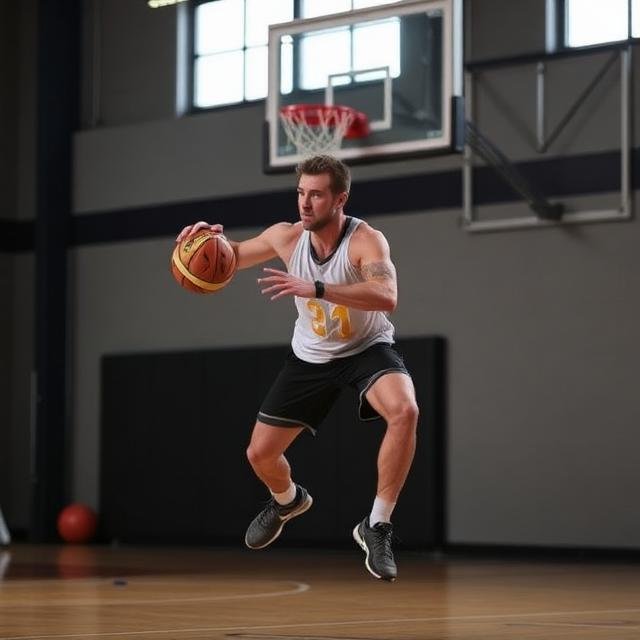
Basketball is not just about shooting and dribbling—it is a high-intensity sport that demands elite fitness levels. Players constantly sprint, jump, defend, and change direction in seconds. To perform at a high level, athletes need a structured workout plan that develops strength, agility, endurance, and explosiveness.
This guide breaks down a complete basketball fitness workout plan for athletes, while answering important questions about training, positions, and strength rules used in fitness.
What Workout Plan Is Best for Basketball Players?
A good basketball workout plan focuses on five key fitness areas:
- Speed and agility
- Strength training
- Cardiovascular endurance
- Flexibility and recovery
- Skill-based conditioning
A balanced weekly routine should include:
- 2–3 strength training days
- 2 agility/speed sessions
- 2 endurance conditioning days
- Daily basketball skill practice
Sample Weekly Basketball Workout Plan
Day 1: Strength + Lower Body
- Squats (3×10)
- Lunges (3×12)
- Deadlifts (3×8)
- Calf raises (3×15)
- Core planks (3×1 min)
Focus: Jump power and leg strength
Day 2: Speed & Agility
- Ladder drills
- Cone sprints
- Shuttle runs
- Reaction drills
Focus: Quick movement and direction changes
Day 3: Upper Body Strength
- Push-ups
- Bench press
- Pull-ups
- Shoulder presses
Focus: Contact strength and shooting stability
Day 4: Conditioning
- Full-court sprints
- Interval running
- Jump rope
Focus: Game stamina
Day 5: Skill + Recovery
- Shooting drills
- Dribbling drills
- Light stretching
Final Answer:
The best workout plan for basketball players combines strength training, agility drills, endurance work, and skill practice.
What Questions to Ask Basketball Players?
Whether you are a coach, teammate, or beginner learning the sport, asking the right questions helps improve understanding and performance.
Skill Development Questions
- What is your shooting percentage under pressure?
- How do you practice dribbling under defense?
- What is your strongest offensive move?
Fitness Questions
- How often do you train strength and conditioning?
- What is your recovery routine after games?
- How do you avoid injuries during training?
Game Awareness Questions
- How do you read defensive setups?
- What’s your strategy in fast breaks?
- How do you communicate with teammates during defense?
Mental Toughness Questions
- How do you handle pressure moments?
- What motivates you during tough games?
- How do you stay focused after mistakes?
These questions help players improve both physical performance and basketball IQ.
What Are the 1, 2, 3, 4, 5 Positions in Basketball?
Basketball positions are numbered based on player roles on the court:
1. Point Guard (PG)
- Team leader
- Handles ball most of the time
- Sets up plays
Skills needed:
- Passing
- Ball control
- Court vision
2. Shooting Guard (SG)
- Main scorer from mid and long range
- Strong shooter
Skills needed:
- Shooting accuracy
- Off-ball movement
- Speed
3. Small Forward (SF)
- Most versatile player
- Can shoot, defend, and drive
Skills needed:
- All-round abilities
- Athleticism
- Defensive strength
4. Power Forward (PF)
- Strong inside player
- Focuses on rebounds and physical play
Skills needed:
- Strength
- Rebounding
- Inside scoring
5. Center (C)
- Tallest player
- Protects the basket
Skills needed:
- Blocking shots
- Rebounding
- Post scoring
Final Answer:
The 5 positions are Point Guard, Shooting Guard, Small Forward, Power Forward, and Center.
What Is the 3-3-3 Rule for Weight Lifting?
The 3-3-3 rule is a simple strength training method used to improve power and muscle control, especially useful for athletes like basketball players.
How It Works:
3 Sets
You perform each exercise in 3 sets.
3 Reps (Heavy Weight)
Each set has 3 repetitions using heavy weight.
3 Minutes Rest
You rest for 3 minutes between sets.
Why It’s Useful for Basketball Players
- Builds explosive strength
- Improves jumping ability
- Enhances physical contact strength
- Prevents fatigue during games
Example Exercises:
- Squats
- Deadlifts
- Bench press
Final Answer:
The 3-3-3 rule means 3 sets, 3 reps, and 3 minutes rest, focusing on heavy strength training.
Complete Basketball Fitness Workout Plan for Athletes
Now let’s combine everything into a structured athletic program.
1. Speed Training
- Sprint intervals
- Cone drills
- Reaction drills
Improves fast breaks and defense
2. Strength Training
- Lower body: squats, lunges
- Upper body: push-ups, bench press
Builds physical dominance
3. Endurance Training
- Running laps
- HIIT workouts
- Jump rope
Keeps energy high during games
4. Flexibility & Recovery
- Stretching
- Yoga
- Foam rolling
Prevents injuries
5. Skill Conditioning
- Shooting drills
- Ball handling drills
- Defensive drills
Converts fitness into game performance
Weekly Performance Table
| Day | Focus |
|---|---|
| Monday | Lower body strength |
| Tuesday | Speed & agility |
| Wednesday | Upper body strength |
| Thursday | Conditioning |
| Friday | Skills + recovery |
| Saturday | Game simulation |
| Sunday | Rest |
Common Mistakes Athletes Make
Skipping recovery
Leads to injuries and burnout.
Only training strength
Basketball requires balance of skills + fitness.
Ignoring agility training
Slow footwork reduces defensive ability.
Pro Tips for Basketball Athletes
- Train explosiveness, not just strength
- Focus on quick recovery between drills
- Combine skill training with fitness workouts
- Stay consistent—results take time
Final Thoughts
A great basketball player is built through structured fitness training, discipline, and consistency. A proper workout plan not only improves performance but also reduces injuries and builds long-term athletic ability.
Quick Recap:
- Best workout plan includes strength, speed, endurance, and skills
- Positions: PG, SG, SF, PF, C
- 3-3-3 rule builds explosive strength
- Asking the right questions improves player development
With the right training approach, any athlete can elevate their basketball performance and play at a higher level.